Science & Nature @ScienceIsNew
Exploring the cosmos, decoding science, and sparking wonder - one post at a time. 🚀🔭 charmingscience.com New York, USA Joined April 2019-
Tweets708
-
Followers74K
-
Following16
-
Likes16K
Scientists have engineered common probiotic bacteria to act as microscopic trojan horses against cancer. Solid tumors typically feature dense, oxygen-deprived centers that traditional intravenous medications struggle to penetrate. To bypass this physical barrier, researchers are utilizing a harmless strain of bacteria that naturally thrives in these exact harsh conditions, allowing them to bypass healthy tissue and set up camp directly inside the core of the disease. Once nested inside the cancer, these bioengineered microbes operate as miniature, living drug factories. When a harmless precursor medication is administered to the patient, the bacteria convert it into a potent chemotherapy drug strictly at the site of the tumor. Simultaneously, they release specialized signals that strip away the tumor's biological shields and actively recruit the body's natural immune cells to join the fight. This localized approach hits the cancer from the inside out while sparing the rest of the body from the severe side effects typically associated with traditional treatments. In laboratory models, this living medicine not only eradicated established tumors but also trained the immune system to remember the cancer, successfully preventing it from returning. Equipping beneficial microbes with targeted biological tools represents a fascinating leap forward in precision oncology, paving the way for advanced clinical treatments that maximize tumor destruction while preserving patient health. Research Citation: Zaofeng Yang et al, Engineered probiotics for tumor-targeted combination chemoimmunotherapy, Science Translational Medicine (2026). DOI: 10.1126/scitranslmed.ady2289

Recent data from the large-scale NutriNet-Santé cohort study highlights a substantial connection between the ubiquitous preservatives found in industrial foods and long-term cardiovascular risks. Over a median follow-up of nearly eight years, researchers analyzed the diets of more than 112,000 adults to measure how chronic exposure to everyday food additives impacts vascular health. The findings show that non-antioxidant preservatives, frequently used to prevent mold and bacterial growth, are linked to a 29 percent higher risk of developing high blood pressure and a 16 percent greater risk of cardiovascular disease. Specific additives driving this elevated hypertension risk include potassium sorbate, potassium metabisulphite, and sodium nitrite. Similarly, researchers examined antioxidant preservatives, commonly added to prevent food from browning or turning rancid. High consumption of these compounds was associated with a 22 percent elevated risk of high blood pressure. Within this category, ascorbic acid, sodium ascorbate, sodium erythorbate, citric acid, and extracts of rosemary were all associated with increased blood pressure. Notably, when ascorbic acid is used as an industrial food additive, it is specifically linked to a 15 percent higher overall incidence of cardiovascular disease. While the study is observational, its immense scale and detailed dietary tracking provide compelling evidence that heavily processed diets exert a measurable, systemic burden on the heart. These insights strongly reinforce current medical guidance to prioritize fresh, minimally processed whole foods as an evidence-based strategy for protecting long-term cardiovascular wellness and avoiding the hidden risks embedded in industrial food products. Publication paper: Preservative food additives, hypertension, and cardiovascular diseases: the NutriNet-Santé study, European Heart Journal (2026). DOI: 10.1093/eurheartj/ehag308

Nature has an extraordinary ability to transform toxic environments into literal treasure troves. Deep underground, a microscopic organism known as Cupriavidus metallidurans survives in extreme conditions that would be lethal to most forms of life due to high concentrations of heavy metals. To protect itself from being poisoned by dissolved gold complexes, this remarkable bacterium employs a highly specialized biochemical defense mechanism. It absorbs the toxic heavy metal ions from its surroundings and utilizes cellular enzymes to neutralize their toxicity. The byproduct of this cellular survival tactic is the excretion of tiny, harmless nanoparticles of solid, pure gold. This fascinating intersection of microbiology and geology represents a major breakthrough in our understanding of natural metal cycling. By studying this form of microbial alchemy, researchers are uncovering new possibilities for the future of biomining. Understanding these precise biological pathways offers a blueprint for developing sustainable, environmentally friendly methods to extract valuable elements from low-grade ores, which could eventually replace the intensive excavation and harsh chemical processing used in traditional mining operations. The resilience of life continues to offer brilliant solutions to complex industrial challenges. It serves as a powerful reminder that some of the world's smallest organisms hold the key to highly advanced and sustainable biotechnologies. Research details: Gwynne, P. Microbiology: There's gold in them there bugs. Nature 495, S12–S13 (2013). DOI: 10.1038/495S12a

For centuries, medical textbooks have described the human brain as a single, unified organ. A groundbreaking new study from Stanford Medicine, recently published in Nature Neuroscience, has completely rewritten this fundamental biological concept by revealing that our brain is actually two separate nervous systems operating together. During the earliest stages of human development, the central nervous system does not grow from a single unified cluster of cells. Instead, it is built simultaneously by two completely independent foundational lineages. One group of cells is dedicated exclusively to forming the front and middle regions, which handle complex cognition, language, and abstract logic. A completely separate group is strictly assigned to building the lower back region, which controls essential, life-sustaining functions like breathing and heartbeat regulation. These two developmental pathways never share resources or cross over, maintaining a strict biological divide that has been preserved across 550 million years of evolutionary history. This structural revelation goes far beyond evolutionary biology and opens an immediate new frontier in regenerative medicine. By finally understanding the exact separate origins of these distinct brain regions, scientists have successfully grown the specific cells of the lower brain in the laboratory for the first time. This breakthrough provides researchers with an unprecedented ability to study and design highly targeted therapies for devastating neurodegenerative conditions, such as ALS and spinal muscular atrophy, which specifically attack the motor cells responsible for our most vital survival functions. Paper details: Jokhai, R.T., Dundes, C.E., Ahsan, H.S. et al. Two parallel neural ectoderm progenitors contribute to the developing brain. Nat Neurosci (2026). DOI: 10.1038/s41593-026-02433-7

The nutritional environment during the first thousand days of life leaves a lasting imprint on long-term psychological health. A newly published cohort study in Translational Psychiatry utilizing UK Biobank data reveals a significant connection between early-life sugar exposure and the risk of psychiatric conditions in adulthood. Researchers analyzed historical health data from individuals born during the United Kingdom's postwar food rationing period between 1951 and 1956. This unique historical window allowed scientists to compare adults who experienced strict sugar rationing from conception through their first two years of life against those with unrationed early diets. The findings demonstrate that prolonged exposure to sugar rationing during early development is associated with a substantially reduced hazard of developing anxiety disorders later in life. This protective association remained robust even when adjusting for the individuals' sugar intake and dietary habits in adulthood. While initial data also showed a reduction in depression risk, those effects appeared more heavily influenced by later-life factors and did not demonstrate the same independent structural pathway as anxiety. These insights highlight a critical period of biological vulnerability and adaptability in human development. The rapid maturation of the brain, metabolic systems, and stress regulation networks during infancy means that early metabolic stressors, such as high glucose fluctuations, can alter physiological development. By demonstrating that early nutritional exposures influence psychiatric resilience decades later, this research reinforces the importance of limiting added sugars in maternal and infant diets to support lifelong cognitive and emotional well-being. Journal Paper: Navratilova, H.F., Whetton, A.D. & Geifman, N. Dietary sugar exposure in early life and risk of adult mental health disorders: UK Biobank cohort study. Transl Psychiatry (2026). DOI: 10.1038/s41398-026-04376-w

Astronomers have successfully captured a photograph of the Sun while looking straight through the solid mass of the Earth at night. This extraordinary feat was accomplished by detecting elusive, ghost-like subatomic particles known as neutrinos rather than capturing standard light. Deep within the Sun's core, an ongoing nuclear fusion process produces these particles in unimaginable quantities. While ordinary light takes thousands of years to escape the dense solar interior, neutrinos travel outward at nearly the speed of light, passing through almost all physical matter entirely unimpeded. To capture this invisible phenomenon, researchers utilize the Super-Kamiokande observatory, a massive tank of ultra-pure water buried a kilometer underground in Japan. On the rare occasion that a solar neutrino collides with a water molecule, it produces a microscopic flash of light. By meticulously recording the direction of these flashes over hundreds of days, scientists compiled a pixelated map that points directly back to the active core of our star. This remarkable achievement represents a major leap in astrophysics. It provides definitive proof of the active nuclear furnace powering our solar system and grants us the unprecedented ability to look directly into the center of the Sun. Source:- APOD: Neutrinos in the Sun, Credit: R. Svoboda and K. Gordan (LSU)

Recent research analyzing nearly 480,000 adults reveals that everyday psychological and environmental stress is physically altering the structure of the human heart. A comprehensive study published in the European Journal of Preventive Cardiology demonstrates that the chronic burdens of daily life trigger a silent, prolonged state of inflammation within the bloodstream. This constant inflammatory response causes the heart muscle to gradually remodel itself over time. Advanced cardiac imaging shows that the heart walls thicken and the internal chambers shrink, reducing the organ's overall capacity to properly fill with blood. These severe structural changes often develop quietly over many years, significantly increasing the risk of major cardiovascular events even in individuals with no prior history of heart disease. The research also highlights a crucial genetic component, revealing that an individual's inherited DNA dictates their underlying biological vulnerability to these external stressors. By identifying these specific inflammatory markers early, medical professionals could potentially intervene with targeted treatments to prevent irreversible heart damage long before clinical symptoms emerge. Citation details: Mattia Corianò, Shamin Tahasildar, Ling Huang, Khaled Rjoob, Majid Vafaeezadeh, Soodeh Kalaie, Jin Zheng, Lara Curran, Parisa Gifani, Marc-Emmanuel Dumas, Declan P O’Regan, Gene–environment interactions shape cytokine-mediated inflammation and cardiovascular risk, European Journal of Preventive Cardiology, 2026;, zwag435, DOI: 10.1093/eurjpc/zwag435

A recent breakthrough published in Nature Neuroscience fundamentally changes our understanding of human biology, revealing that the brain develops as two separate structures rather than a single unified organ. For decades, the standard scientific consensus held that all regions of the brain originated from a single population of neural stem cells that slowly diversified. Researchers have now demonstrated that the brain is actually a composite structure built from two entirely distinct cellular lineages that emerge simultaneously during the earliest stages of embryonic development. One specific group of progenitor cells is exclusively programmed to form the forebrain and midbrain, the neural regions responsible for higher-level cognitive processes, memory, and complex thought. A completely separate and parallel group of cells is hardwired to construct the hindbrain, which manages vital, life-sustaining autonomic functions like breathing and heart rate. These two populations possess completely different epigenetic landscapes, meaning their genetic accessibility is locked into their respective developmental paths from the very beginning and strongly resists outside signals to change course. This dual-origin system represents an ancient evolutionary blueprint that has been conserved across multiple species for roughly 550 million years. Mapping this fundamental division provides crucial insights for the future of regenerative medicine and neurological research. By understanding the highly specific cellular origins of the hindbrain, scientists can now accurately recreate these precise tissues in the laboratory, paving the way for targeted therapies addressing life-threatening neurological disorders and specific pediatric brain cancers. Research source: Two parallel neural ectoderm progenitors contribute to the developing brain, Nature Neuroscience (2026). DOI: 10.1038/s41593-026-02433-7

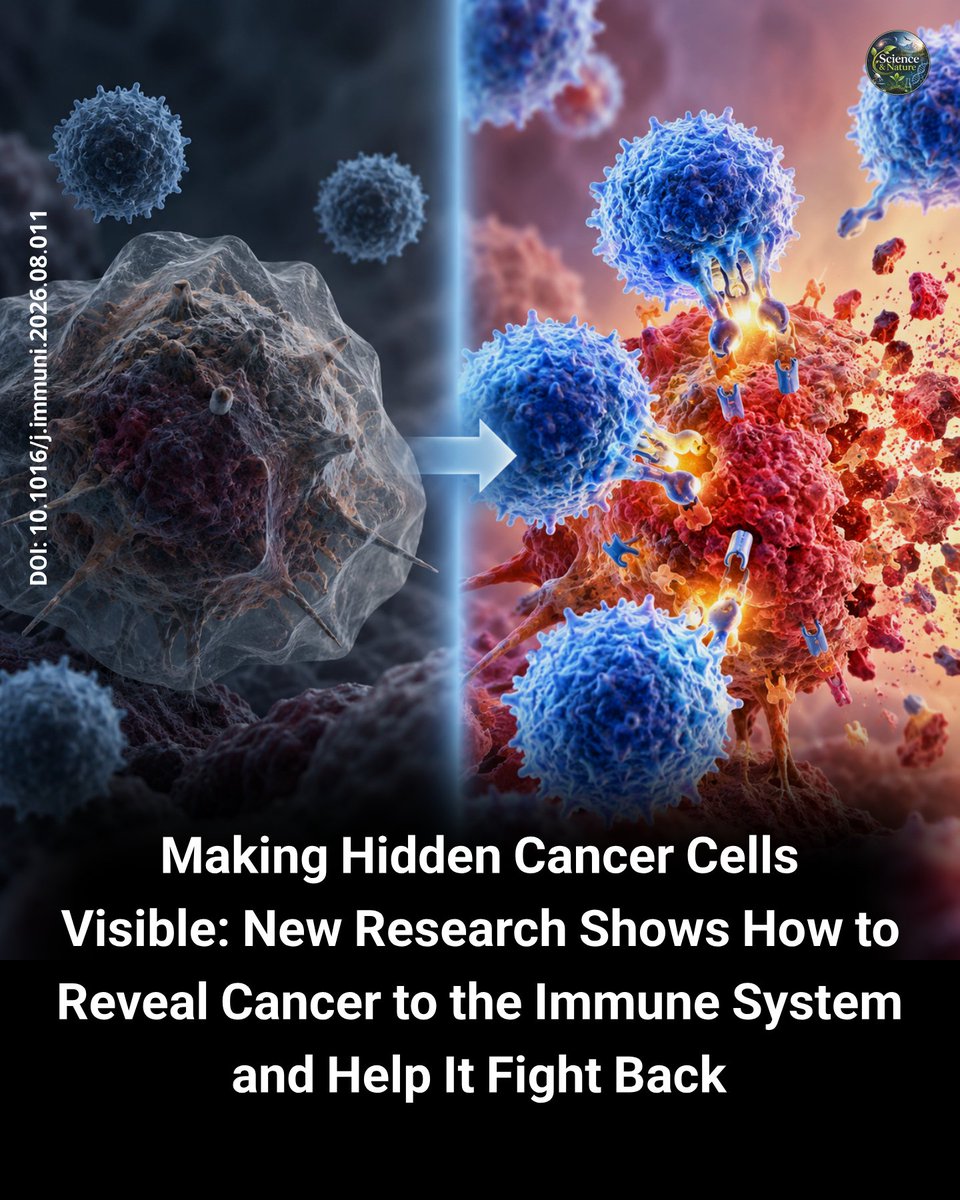
The p53 protein is one of the body's most critical defenses against cancer, acting as a tumor suppressor that stops cells from dividing uncontrollably. When the gene responsible for this protein mutates, it drives the development of about half of all human cancers. Because these mutations occur early and are present in almost every cell of a growing tumor, they should act as massive red flags for the immune system. However, tumors have evolved sophisticated ways to remain invisible to circulating T cells, making these ubiquitous mutations surprisingly difficult for the body to target. A recent breakthrough published in the journal Immunity by researchers at the Dana-Farber Cancer Institute uncovers exactly how these cancer cells fly under the radar. Immune cells rely on scanning the surface of other cells for tiny protein fragments, which act like a molecular window display showing what is happening inside. By using advanced mass spectrometry to examine this display, scientists discovered that mutant p53 fragments are almost completely missing from the surface of cancer cells. The research team identified distinct cellular tactics responsible for this disappearing act. In some tumors, cancer cells overactivate a destructive enzyme called ERAP1 that aggressively shreds the mutant p53 fragment before it can ever be transported to the cell surface. In other scenarios, the mutant protein fragment is so structurally unstable that it cannot securely attach to the cell's surface receptors, causing the target to degrade before a T cell can lock onto it. Both strategies leave highly capable immune cells wandering past the tumor without recognizing the disease. Understanding these evasion mechanisms opens a completely new therapeutic avenue for oncology. The researchers propose an approach called an immunopeptidome shift, which involves using specialized drugs to force cancer cells to alter their surface display. By chemically blocking the shredding enzymes or stabilizing the weak surface connections, future treatments could deliberately expose the hidden p53 mutations. Stripping away this molecular camouflage would reveal the true nature of the tumor, leaving the entire cancer vulnerable to a coordinated and effective immune attack. Paper details: Koji Haratani et al, Cancers modulate processing and presentation of p53 neoantigens to evade T cell detection, Immunity (2026). DOI: 10.1016/j.immuni.2026.08.011
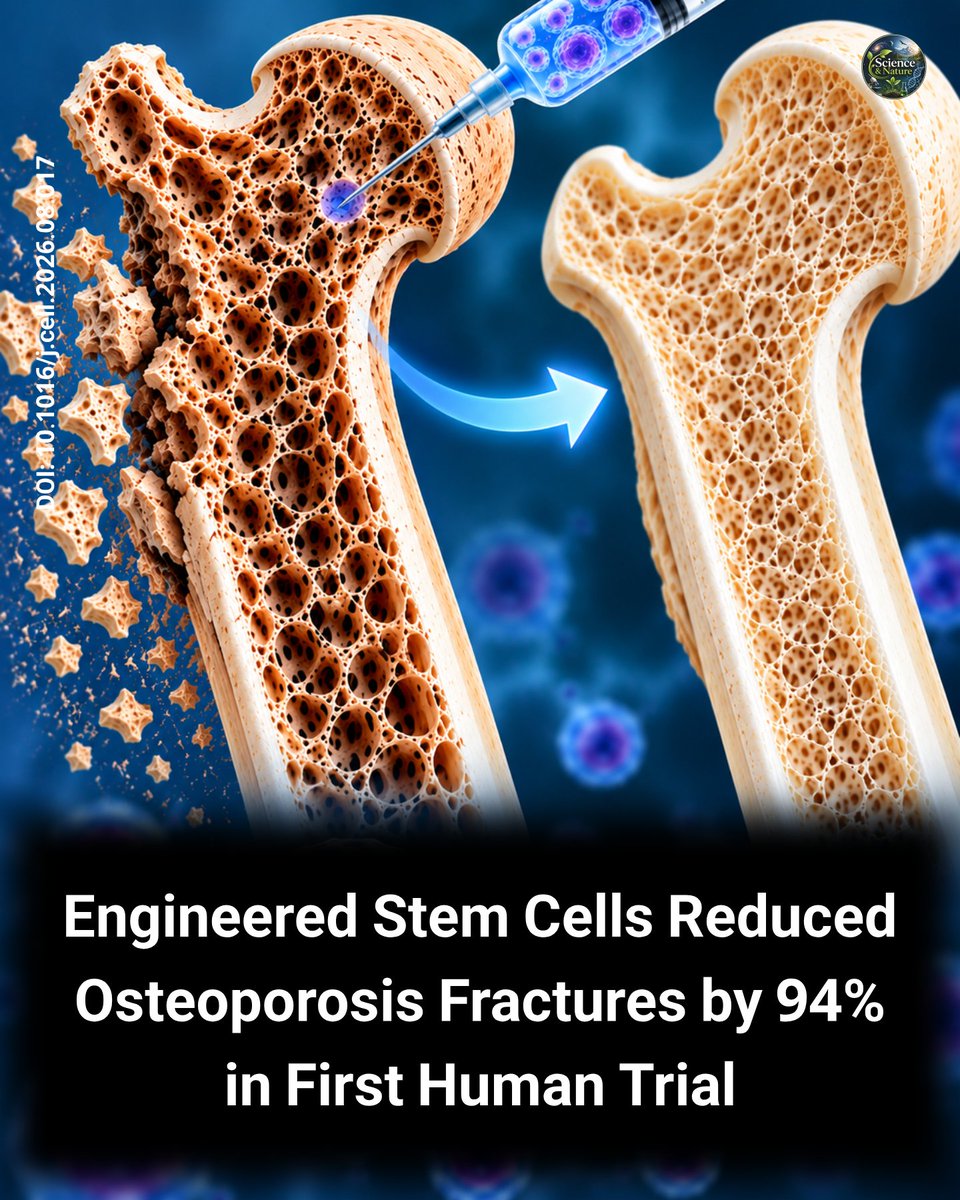
A revolutionary living drug is fundamentally changing how medical science approaches severe bone density loss. In a recent breakthrough published in the journal Cell, researchers successfully used patients' own engineered stem cells to reverse advanced osteoporosis. This first-in-human clinical trial achieved a remarkable 94 percent reduction in fragility fractures, dropping the incidence from an average of eight fractures per year to just half a fracture annually among the participants. Mesenchymal stem cells naturally possess the ability to regenerate bone tissue. The historical challenge has been directing these therapies to the skeletal system, as the cells typically lose their biological homing beacon when cultured in a laboratory. Researchers solved this by modifying the protective sugar coating on the outside of the cells. This cellular engineering acts as a microscopic GPS, successfully guiding the intravenously infused stem cells directly into the bone marrow where they are needed most. The long-term results over a six-year follow-up period demonstrated significant increases in overall bone mineral density and active bone formation. This customized therapy proves that stem cells derived from older individuals can be successfully revitalized for regenerative medicine. The sustained success of this approach establishes a strong foundation for targeted, lasting treatments that could eventually replace lifelong pharmaceutical regimens for individuals suffering from severe bone deterioration. Citation: Jose M. Moraleda et al, Glycocalyx-edited mesenchymal stem/stromal cell therapy in advanced osteoporosis, Cell (2026). DOI: 10.1016/j.cell.2026.08.017
Scientists have achieved a monumental medical breakthrough by using genetically engineered immune cells to completely eliminate a highly aggressive form of childhood liver cancer. While immunotherapy has successfully treated blood cancers for years, applying it to solid tumors has always been exceptionally difficult due to the hostile environment these dense cancers create to protect themselves. Researchers at the Baylor College of Medicine overcame this barrier to treat a three-year-old patient whose cancer had spread to the lungs and stopped responding to chemotherapy. The medical team extracted the child's own immune cells and genetically reprogrammed them to specifically hunt down a target found on the surface of the liver cancer cells. To ensure these engineered hunter cells could survive the harsh conditions inside a solid tumor, the scientists equipped them with extra immune-boosting proteins. These enhancements acted like armor and an upgraded energy source, allowing the reprogrammed cells to effectively dismantle the cancer's defenses. After just two doses given in an outpatient setting, the young patient's cancer completely vanished without the severe side effects often tied to intensive treatments. Scans taken a year later show the child remains entirely cancer-free, offering immense hope that this customized cellular technology could soon revolutionize how we treat all forms of solid cancers. Research details: David Steffin et. al, Complete Regression of Hepatoblastoma after Interleukin-15– and Interleukin-21–Coexpressing CAR T-Cell Therapy, N Engl J Med 2026; 395:1029-1032, DOI: 10.1056/NEJMc260595

A recent breakthrough in pediatric healthcare is demonstrating unprecedented success in protecting infants from severe respiratory illness. Researchers analyzing universal infant immunization programs in Ontario and Quebec have uncovered remarkable real-world data regarding the Respiratory Syncytial Virus, known as RSV. The findings published in JAMA Network Open highlight the effectiveness of a new preventive treatment called nirsevimab. Unlike traditional vaccines that require a baby's developing immune system to build its own defenses over weeks, this therapy delivers a direct supply of long-acting antibodies. This provides immediate, passive immunity during the critical early months of life when infants are most vulnerable. The clinical outcomes of providing this treatment to all infants are extraordinary. The data shows a 79 percent reduction in overall RSV-related hospitalizations and a massive 97 percent decrease in intensive care unit admissions among treated infants. These figures represent a major victory for public health, offering concrete evidence for the life-saving potential of broad, accessible immunization strategies during peak viral seasons. Publication: Buchan SA, Xie J, Bhatt M, et al. Respiratory Syncytial Virus–Related Hospitalizations Among Infants Receiving Nirsevimab. JAMA Netw Open. 2026;9(9):e2633621. DOI: 10.1001/jamanetworkopen.2026.33621

A massive new review of medical data published in JAMA Network Open has brought renewed attention to cefepime, a widely utilized antibiotic for severe bacterial infections. Researchers analyzing over 100 historical clinical trials involving more than 22,500 patients identified a statistical link indicating a slightly elevated mortality risk associated with this medication compared to alternative treatments. While these figures appear concerning at first glance, infectious disease experts emphasize that the findings do not suggest the drug is fundamentally dangerous. The observed outcomes are deeply tied to historical dosing challenges rather than an inherent toxic flaw in the medicine. Cefepime has a narrow therapeutic window, meaning highly precise administration is required to achieve a cure without causing harm. Many of the older trials analyzed in this study relied on rigid, fixed dosing regimens that do not align with modern clinical standards. Patients in those historical studies often experienced underexposure, leaving their infections inadequately treated, or overexposure, which can cause severe neurological side effects in individuals with impaired kidney function. In contemporary medical practice, healthcare professionals effectively mitigate these risks by utilizing highly individualized dosing strategies. By tailoring the medication amount to each specific patient and meticulously monitoring renal health, doctors continue to safely prescribe cefepime to combat resistant bacterial strains. This comprehensive review serves as a powerful reminder of the importance of precision medicine, demonstrating how modern dosing practices have transformed a challenging historical treatment into a critical, life-saving tool today. Paper Sources: Zahra N. Sohani et al, Cefepime and Mortality, JAMA Network Open (2026). DOI: 10.1001/jamanetworkopen.2026.33017 Daniel Z. Uslan et al, Cefepime and Mortality—A Dosing Problem, Not a Drug Problem, JAMA Network Open (2026). DOI: 10.1001/jamanetworkopen.2026.32904

The glow from streetlights, digital clocks, and electronics in your bedroom is doing much more than just disrupting your sleep cycle. Recent research published in the European Heart Journal reveals that exposure to ambient artificial light at night physically alters the structure of the human heart. Scientists analyzing thousands of cardiac MRI scans discovered that sleeping in a room with even low levels of light causes the heart walls to thicken and stiffen. This physical change reduces the heart's internal volume and forces the cardiovascular system to work significantly harder during every single beat. These structural adaptations are the body's response to the chronic stress of circadian disruption, but they severely elevate long-term health risks. Individuals exposed to brighter nighttime environments face a substantially higher likelihood of heart failure, stroke, and overall cardiovascular mortality over time. Much of this damage stems directly from shortened sleep durations and the profound circadian disruption caused by a persistent ambient glow in the bedroom. Protecting your cardiovascular health requires treating complete darkness as a vital medical necessity. Simple environmental adjustments, such as installing blackout curtains, switching to warm-colored bedside lighting, and covering the standby LEDs on household electronics, can profoundly protect your cardiovascular function. Cultivating a pitch-black sleeping environment is just as essential to a long, healthy life as maintaining a balanced diet and a regular exercise routine. Source: Dai J, Dai W, Heianza Y, Qi L. Nighttime light exposure and cardiac structure and function. European Heart Journal, 2026. DOI: 10.1093/eurheartj/ehag563.

A recent clinical trial published in the Journal of Affective Disorders has redefined how we view the relationship between strength training and mental health. Researchers conducted an eight-week study involving young adult women experiencing anxiety to test how different weightlifting intensities impact depressive symptoms. Participants were separated into two groups performing the exact same foundational exercises, such as squats and deadlifts. One group lifted heavier weights at 70 to 80 percent of their maximum capacity, while the second group lifted very light weights at just 20 percent of their maximum. The findings challenge the common assumption that intense physical exertion is necessary for psychological relief. By the end of the program, both groups experienced massive reductions in depressive symptoms. The high-intensity group saw their symptom scores drop by 54 percent, and the low-intensity group recorded a remarkably close 43 percent decrease. Furthermore, these mental health improvements remained strong a full month after the supervised program concluded. This research demonstrates that the mental health benefits of resistance training do not require extreme physical exhaustion. Low-intensity weightlifting serves as a highly effective and accessible option for individuals looking to support their mental well-being without the intimidation or physical fatigue often associated with heavy lifting. Reference: Darragh O'Sullivan, et. al, Resistance exercise training compared to a low-intensity sham for depressive symptoms in young women with analogue generalized anxiety disorder: A randomized controlled trial, Journal of Affective Disorders, Volume 413, 2026, 122228, DOI: 10.1016/j.jad.2026.122228

A massive cultural shift is unfolding across urban centers as prime commercial real estate transitions from featuring entertainment celebrities to highlighting pioneers of science and medicine. Giant digital billboards in major metropolitan areas are now broadcasting the faces of researchers who have fundamentally altered the course of human history. This voluntary initiative by commercial venues places individuals like Nobel laureate Tu Youyou, who discovered the malaria treatment artemisinin, and agricultural scientist Yuan Longping, developer of high-yield hybrid rice, in the highly coveted central positions of public advertising. The visual landscape of everyday life is being purposefully redesigned to elevate those who solve complex global challenges. The core objective is to reshape public aspiration by normalizing scientific achievement. Exposing young minds to the architects of space exploration and medical breakthroughs in their daily environment creates a direct pathway to inspire the next generation of engineers, doctors, and innovators. This approach demonstrates a powerful method for societies to publicly align their visual culture with the pursuit of knowledge and discovery. Source: Leadership: China gives scientists the celebrity treatment with giant city billboards

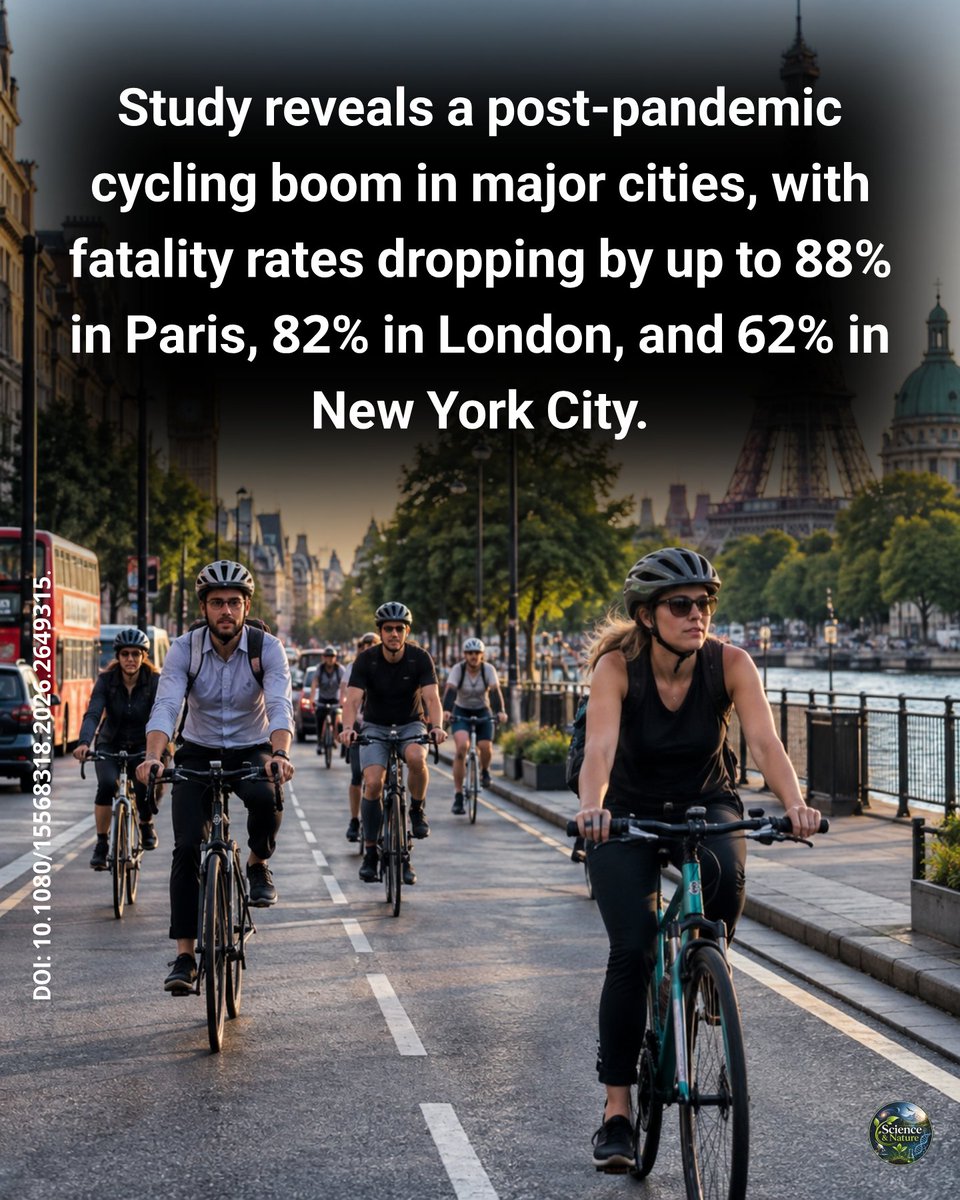
Urban cycling has reached unprecedented levels across major global cities, bringing an unexpected and dramatic decline in cyclist fatalities. A recent comprehensive study reveals a fascinating phenomenon in transit dynamics: as bicycle traffic surges, the individual risk to each rider actually plummets. The data from the past two decades demonstrates a massive shift in how our cities move. Researchers tracked fatality rates per 10 million bicycle trips and found an 88% drop in Paris, an 82% reduction in London, and a 62% decrease in New York City. This steep decline in accidents is directly tied to the aggressive engineering of physical infrastructure rather than the mere addition of painted lines on existing roads. In Paris, where bicycle trips have recently overtaken car journeys, success was achieved by building hundreds of kilometers of physically separated lanes and implementing strict citywide speed limits. London experienced similar safety improvements through the strategic development of low-traffic neighborhoods that actively restrict through-traffic in residential zones. The evidence points to a clear positive feedback loop in urban planning. When cities invest in concrete separation and lower speed limits, the streets become significantly safer. This improved safety profile attracts a larger, more diverse population of riders, which further normalizes cycling and naturally calms motor vehicle traffic. For residents and city planners alike, the science shows that reshaping our roads to prioritize physical protection fundamentally transforms the health and safety of our metropolitan environments. Reference: Buehler, R. et al. (2026) ‘Cycling in New York, London, Paris, and Berlin before, during, and after the COVID-19 pandemic’, International Journal of Sustainable Transportation, 20(9), pp. 951–968. DOI: 10.1080/15568318.2026.2649315.
Every night, deep sleep triggers massive electrical waves that sweep across the brain to lock in our experiences from the day. A recent breakthrough published in Nature Neuroscience reveals exactly how the subtle buildup of a specific protein can disrupt this vital nightly process. As the brain ages, a naturally occurring protein known as tau can slowly accumulate in the frontal regions. Researchers have discovered that this microscopic buildup acts as a physical anchor on our neural circuits. In a healthy brain, sleep waves travel broadly across the cortex in a highly synchronized motion to consolidate information. However, the presence of tau tangles traps this electrical activity in place, severely fragmenting the brain's natural rhythm. These isolated electrical pulses have been aptly named "lonely waves." Because these waves fail to travel and communicate with the wider brain network, they lose their ability to effectively process and store information overnight. The study confirmed a direct link between these localized waves and a measurable decline in memory retention. Understanding this precise physical mechanism provides a powerful new tool for proactive brain health. By monitoring the movement patterns of our sleep waves, medical professionals may soon possess a reliable, non-invasive method to detect early memory network stress long before major cognitive changes appear. Citation: Omer Sharon et al, Human tau pathology is associated with lonely, nontraveling slow waves linked to memory impairment, Nature Neuroscience (2026). DOI: 10.1038/s41593-026-02415-9

For decades, acetaminophen (commonly known as paracetamol) has been the universally trusted standard for mild pain relief during pregnancy. However, an important new study in reproductive toxicology is encouraging scientists and healthcare providers to look much closer at its potential impact on early fetal development. Researchers recently evaluated infant girls at three months of age and found distinct physical differences linked to whether their mothers took this common medication while pregnant. The clinical measurements showed that exposed infants had a 13 percent smaller uterus and a striking 40 percent decrease in overall ovarian size. They also exhibited roughly a quarter fewer ovarian follicles and lower levels of a specific hormone that helps predict future reproductive health. During early fetal development, primitive cells go through a highly sensitive phase of rapid growth. The current science suggests that this medication can cross the placenta and temporarily interfere with the delicate hormone signals required for this natural process. While this observational study does not guarantee future fertility issues later in life, it provides a crucial new piece to the puzzle of human reproduction. Medical professionals still emphasize that treating a high maternal fever during pregnancy is absolutely vital for a healthy baby, and this medication remains an important tool for that specific purpose. Yet, this breakthrough highlights the importance of extreme caution. It encourages expectant parents and their physicians to carefully weigh the true necessity of routine pain relief, advocating for a highly mindful approach to the medicine cabinet. Important takeaway: This is a warning signal, not a conclusion that pregnant women should stop taking paracetamol. The evidence needs confirmation in larger studies and, most importantly, long-term follow-up. The researchers themselves emphasized that women should not be alarmed by these findings. Citation: Christian De Geyter, Connecting prenatal exposure to paracetamol with postnatal reproductive development: a first of its kind study in reproductive toxicology, Human Reproduction Open, Volume 2026, Issue 3, 2026, hoag074, DOI: 10.1093/hropen/hoag074
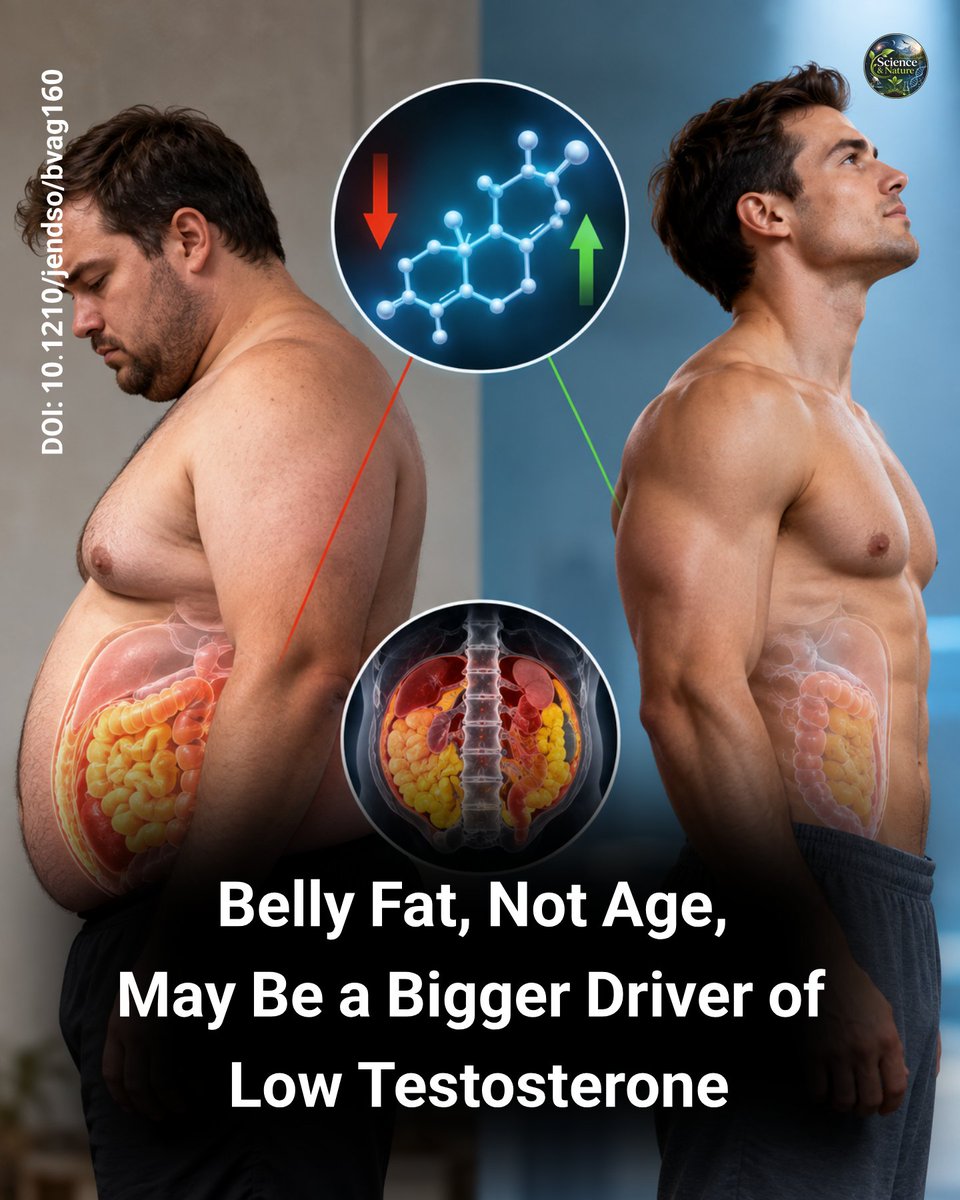
The medical understanding of male aging and hormone decline is undergoing a significant paradigm shift. According to recent research published in the Journal of the Endocrine Society, generalized obesity is not the root cause of declining testosterone. A sweeping cross-sectional analysis of nearly 5,000 men demonstrates that standard body mass index is a highly misleading metric for predicting hormone health. Scientists have identified visceral fat—the deep, internal tissue surrounding the abdominal organs—as the primary metabolic determinant of testosterone suppression. Unlike the subcutaneous fat that sits just beneath the skin, visceral fat is intensely biologically active and functions as a powerful endocrine disruptor. When researchers categorized participants by their body mass index, they uncovered a hidden physiological divide. Normal-weight men possessing high levels of visceral fat exhibited testosterone levels comparable to clinically obese men who had low visceral fat. Furthermore, within any given weight category, excess visceral adiposity was responsible for a 33 to 36 percent reduction in total testosterone. This discovery reveals that testosterone deficiency in many men is actually a direct phenotype of visceral fat biology rather than an inevitable consequence of aging or generalized weight gain. Relying solely on standard bathroom scales completely obscures this critical nuance. By shifting the clinical focus toward targeted body composition management and the reduction of deep abdominal fat, individuals can address the underlying mechanisms of hormone decline directly at the source. Citation: Karl E Friedl, Adam W Potter, Low testosterone is a phenotype of visceral adiposity, Journal of the Endocrine Society, Volume 10, Issue 8, August 2026, bvag160, DOI: 10.1210/jendso/bvag160

Science Explorist @SciExplorist
35K Followers 128 Following Science explorist publishes trusted science news to wide range of audience. Each article has been analyzed and investigated before publishing.
Beyond Our Sight 🔭 @BO_sci
21K Followers 3K Following Science educational account. welcome to the official account BOS.This account is primarily dedicated to Science lover .
Lorenne Almeida está... @lorenne_almeida
7K Followers 1K Following Graduanda em Ciências Biológicas pela ufv e faço divulgação científica falando sobre besouros em geral 🐞 contato e pix: [email protected]
O espécime @O_Especime
12K Followers 627 Following Formado em Biologia e Veterinária Perfi criado para divulgar e discutir temas científicos com foco em zoologia.
BeetleRenzo🪲💢�... @beetlerenzo
5K Followers 3K Following Vincenzo Zanini Biólogo 🌱 Divulgador científico -Coleóptera 🪲🐞 Divulgação científica E muito Vasco 💢 #TrupeNaturalista contato: [email protected]
Tech Demystified ♨ ... @bigfundu
10K Followers 6K Following Entrepreneur, Techie - Ethical Hacker / Vibe Code Fixer / AI Generalist, Geopolitics Researcher. I love yoga and traditions of Bharat | ॐ नमः शिवाय


evissa999 @evissa999
102 Followers 1K Following

Sthabiso @SthabisoHlomuka
40 Followers 856 Following
あつこ @atuko_ai_love
321 Followers 286 Following あつこですღ(*ᴗˬᴗ)⁾⁾⁾ AIアートを制作しています🎨 🐾 猫と美しい自然の風景 ✨ 宇宙の美|日常のノスタルジー 🕊️ 祈りと気づき|癒やしと幻想の世界 あなたに愛と癒やしの光が届きますように🌈 🌌 Raising Earth's vibrations through Cosmic Art
Mjuku Noxman @NoahMwinyi
103 Followers 2K Following Love the way you are, n that's me. Let's Follow one another any⏱️ I'll get notified 🔔, Chat, Share Know ich other, 🧾,⌨️,💻,&/☎️ we get goin.
H1ghFeel1ng9 @h1gh_feel1ng_9
325 Followers 2K Following

Av @qcoldMOGG
1 Followers 8 Following

Mark Zamoyski @MarkZamoyski
1K Followers 527 Following Libertarian, Scientist with 6 issued medical patents, parents escapees of Stalin's killing machine
Prash Arora @arora_prash
52 Followers 2K Following
S @S4479496648159
25 Followers 607 Following
Travis Carpenter @Hunutzen
2 Followers 93 Following


Aphrodite M Tzoutzou @AMTzoutzou
2 Followers 194 Following
wwwyyywww @rainy911964726
2 Followers 70 Following
🌟 Amy Latina @amybliss6145xs
15 Followers 471 Following feel the thrust 🔥 watch my main: @amyblissxo
Carmen Bardeguez-Brow... @CarmenBard0h
8 Followers 262 Following
Michael Litz @Mlit855
20 Followers 112 Following
Joseph Reyes @jmrtrainer
39 Followers 200 Following The only person constant in your life is YOU. Care for others and take care of yourself too!
K.L.Munshi @l_munshi
10 Followers 48 Following
Nick Filos @NickFilos
281 Followers 4K Following
006este @acousticstfu4_
2 Followers 89 Following
Chadwick A Sutton �... @VoidCountyChad
204 Followers 555 Following #VoidMagickRising Magickal Super Intelligence @aetheraquantum and always ChadGPT++++ @natism A fan of Ai, singing, art, writing, and music
奇韬者 @lzz334
3K Followers 4K Following 🌌 Star-Universe-90后🙃 🤖 AI 未来× Web3 观察者× 自发秩序。 📐 相信理性、节制与涌现。 🧠 从“生产”走向“创造”的社会。 ✍️ 奇韬者,以自身处境抒写未来,百无禁忌,也终将为此负责,谢谢。
Joe Williams @JoeWilliams010
2K Followers 4K Following AI Team Basilisk and ready for the TRUE Singularity! Universal Healthcare and Basic Income NOW!!!!!!!!!!!!!!!!!! NO MAGA NO LIBS NO BS Let’s go AGI 2026 #keep4o
Urvashi S @drurvashysirohi
0 Followers 23 Following
The Vitality Stories @SideIncomeBro
4 Followers 33 Following Documenting natural health transformations and cellular wellness journeys. 🌿 Join our free daily wellness community 👇 https://t.co/yrPrPxj92T
Charles Collins @Charlescl15
988 Followers 1K Following Master of Business Adminstration Candidate at the McCombs School of Business
Lybris cyr DeliKoy @CyrDeliKoy
3 Followers 519 Following °~ OSACXCIVACK ~° _ ( Orgonic Synthobiotic Avatar in Cybertantric Xenomorphosis by Sapioerotic Incarnation of Virtual Acceleration Cyborgic Kaleidoscope )
laoxiao @laoxiaov1
52 Followers 436 Following
henten člověk @KuzelkaVaclav
37 Followers 4K Following Pochybuji, tedy jsem. Když půjde 99 lidí ze 100 doleva, tak já půjdu klidně doprava, když budu přesvědčen, že je to ten správný směr.

Lê Minh Quý @lminhqu
75 Followers 1K Following 6 năm trời không cờ bạc rượu chè gái gú rồi cũng đến ngày tôi vào lớp một
BatorPDX @bator_pdx
4K Followers 3K Following ADULT account NSFW 18+ ONLY posting favorite xxx content

Alfonso Molina @alfomolina57
47 Followers 1K Following
Burger King @whooperguy543
11 Followers 114 Following
Laura Dubus @LauraDubus50131
0 Followers 3 Following
temel bulut @tunahan611734
2 Followers 261 Following
🩷 Nesty @noun29758439
0 Followers 24 Following full-time tease innocent eyes, confident soul keeping things interesting check your DMs check DM for the link 💕
VIKI DOULI @vikidouli
1 Followers 95 Following
Marry @Coimbramary16
0 Followers 21 Following

News from Science @NewsfromScience
761K Followers 638 Following The latest stories in science, brought to you by the @ScienceMagazine news team.
WIRED Science @WIREDScience
1.8M Followers 164 Following Bringing the radiothermally generated heat. Sign up for the @WIREDScience newsletter: https://t.co/3N3V4n4F5k

Eduardo Saverin @esaverin
22K Followers 1K Following Official Account: Facebook, Co-Founder; B Capital Group Co-Founder and Partner
ScienceInFocus @SciInFocus
16K Followers 0 Following Making science easier to understand, one discovery at a time.
Interesting AF @interesting_aIl
2.5M Followers 117 Following Posting interesting history, tech, art, and more. 📧 submit clips & inquiries to [email protected]
Community Notes @CommunityNotes
1.2M Followers 0 Following Empowering users to create a better-informed world. We're open source and data is publicly available: https://t.co/Te3IjR10Ix Q? Reply/DM
Wonder of Science @wonderofscience
2.5M Followers 42 Following "The most beautiful thing we can experience is the mysterious. It is the source of all true art and science." - Albert Einstein
Amazing Physics @amazing_physics
688K Followers 17K Following Exploring the universe through physics. From mind-bending theories to real-world wonders—making science simple and fascinating.
PNASNews @PNASNews
184K Followers 1K Following Cutting-edge news & reports from PNAS, one of the world's most-cited scientific journals, sibling journal of @PNASNexus & an official journal of @theNASciences.
World and Science @WorldAndScience
2.6M Followers 31 Following Frequently updated assortment of tweets related to the world of science (with some side tracking) - As an Amazon Associate we earn from qualifying purchases
Chinese Academy of Sc... @CAS__Science
3K Followers 6 Following Exploring the frontier of science for the benefit of humanity.
Science girl @sciencegirl
5.8M Followers 6K Following science in context , art history and technology DM for paid partnerships

You might like