Nelson Djalo | Amigoscode @AmigosCode
Founder of Amigoscode | Helping millions of people break into Software Engineering and DevOps 🤝 Building @portfollyio bit.ly/4fbH7V0 Joined January 2018-
Tweets362
-
Followers23K
-
Following34
-
Likes73
Java Crash Course - youtu.be/l3N_Uf-z8zE In this quick crash course, I’ll teach you the Java programming language from scratch. Whether you’re a beginner or just curious about how Java works, this video covers everything you need to know to get started — fast. 👍🏿 Join our free community to learn and grow - bit.ly/3VFWcGw #java #coding #interviewtips

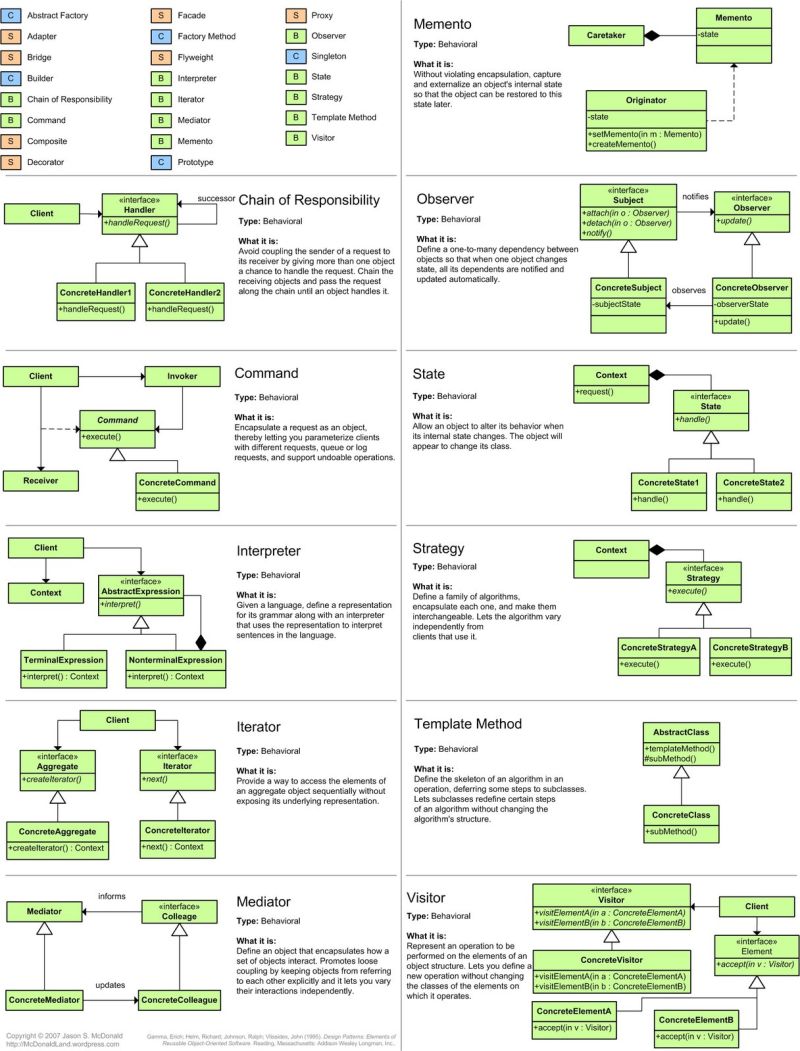
12 Essential Behavioral Design Patterns Every Software Engineer Should Know 1 - Memento: Capture and restore an object’s internal state without violating encapsulation. 2 - Chain of Responsibility: Pass requests along a chain of handlers until one handles them. 3 - Observer: Define a dependency so when one object changes state, dependents are notified automatically. 4 - Command: Encapsulate a request as an object to support parameterization, queuing, and undo operations. 5 - State: Allow an object to change its behavior when its internal state changes. 6 - Interpreter: Define a grammar and interpret sentences in that language. 7 - Strategy: Define a family of algorithms, encapsulate them, and make them interchangeable. 8 - Iterator: Access elements of a collection sequentially without exposing its internal structure. 9 - Template Method: Define the skeleton of an algorithm, letting subclasses fill in the steps. 10 - Mediator: Encapsulate how a set of objects interact to promote loose coupling. 11 - Visitor: Represent operations to perform on elements of an object structure without changing their classes. Which one do you most use? #systemdesign #coding #interviewtips
Friday Developers Meme. Yes Sir 🫡 amigoscode.com/blogs #coding #programming #ai #nocode #meme #fridayhumor

🚀 New Video: How to Build APIs Using Spring AI, ChatGPT, and OpenAI - youtu.be/wExWF6VtN2E AI is reshaping the future of software — and now you can bring that power into your Java applications. In this video, I walk you through how to integrate ChatGPT with Spring Boot using Spring AI and OpenAI's API. 🔧 You’ll learn: - How Spring AI simplifies working with LLMs - Setting up your Spring Boot backend - Connecting to ChatGPT via OpenAI’s API - Building intelligent, production-ready APIs Whether you're a Java dev exploring generative AI or building smarter backend systems — this tutorial is for you. 📺 Watch here: youtu.be/wExWF6VtN2E Let me know what you think — and if you'd like to see more AI + Java content! #springai #springboot #chatgpt #openai #java #backenddevelopment #generativeai #llm #api #javadeveloper

Most Spring Boot developers make these REST API mistakes... Are you one of them? 📺 Watch the full video here: youtu.be/EgQJRB9Vs3Y After reviewing dozens of Java backend projects, I noticed the same issues again and again: ❌ Inconsistent resource naming ❌ Wrong HTTP status codes ❌ Exposing entities instead of using DTOs ❌ Missing pagination, validation, and security ❌ No API versioning or documentation So I put together a video showing the Top 10 Spring Boot REST API Best Practices every developer should follow in 2025. ✅ Clean architecture ✅ Proper status codes ✅ Global exception handling ✅ Secure and scalable APIs 🎯 Whether you're a beginner or shipping production apps, this will level up your backend game. #java #springboot #coding #interviewtips

Hey Amigos, 🚀 Want to take your coding skills to the next level? Join Amigoscode in collaboration with STEM Muslims Imperial College London at Imperial College London for an exciting workshop, designed to take you from idea to production. What’s in Store? 🔹 Build & Deploy an App from Scratch – Learn the step-by-step process of software development, from setting up an API to deploying a fully functional app. 🔹 Live Coding Demo & Interactive Exercises – Follow along as we walk through coding a real project, with opportunities to code live during the session. 🔹 DevOps & Cloud Technologies – Gain insights into modern software deployment techniques. 🔹 Exclusive Giveaways – Sneakpeek into some amazing resources available. 🎯 Who Should Attend? University students looking to build practical skills in software engineering. Anyone wanting a project to showcase on their resume or in technical interviews. Anyone looking to build out their idea from 0 to 100 🦾 📢 Limited Spots Available – Sign Up Now lu.ma/k9jdcmh3 📍Location Sir Alexander Fleming Building. Imperial College Rd, South Kensington, London SW7 2AZ, UK See you there iA! 💻🔥 #systemdesign #coding #interviewtips

This is how we designed and implemented the video player for Amigoscode 2.0 Lock in your access now! Pre-order today and level up your dev skills for life. Any toughts? 👉 Pre-order NOW - bit.ly/4fbH7V0 #systemdesign #coding #interviewtips
We’re excited to introduce brand new coding courses on Amigoscode 2.0! From beginner to advanced, dive into our comprehensive developer tracks and start building your skills today. ✅ Web Development ✅ Backend Development ✅ DevOps ✅ Full-Stack Lock in your access now! Pre-order today and level up your dev skills for life. 👉 Pre-order NOW - bit.ly/4fbH7V0 #systemdesign #coding #interviewtips
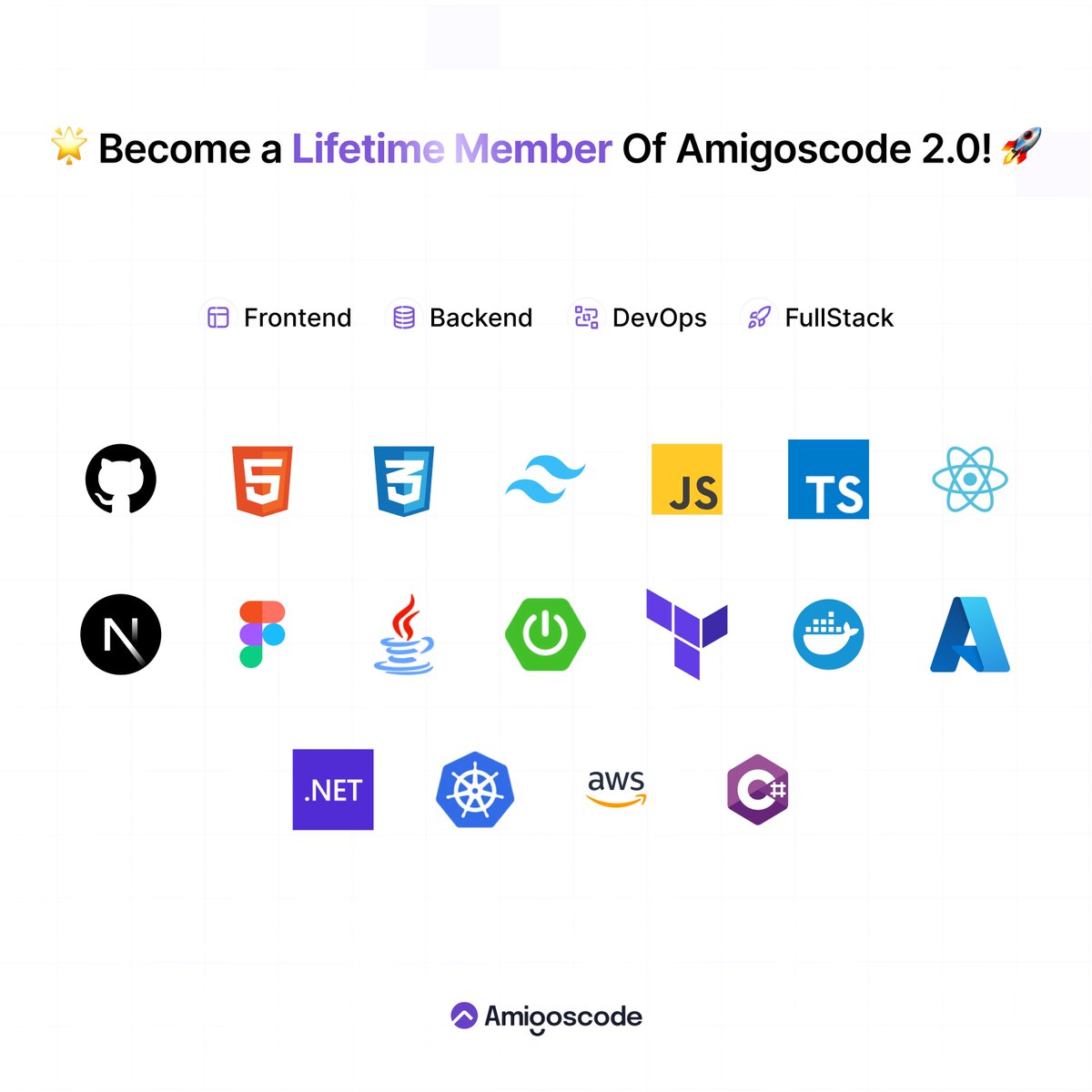
🚀 A Year in the Making: Developer Learning Platform – Built by Developers, for Developers! 💻 It's been an incredible journey building a platform designed to empower developers, and I couldn’t have done it without the amazing support from my team and community. A huge shoutout to: 🙌 @OuhraOmar 🙌 @Amine0mari 🙌 @imadoualla As we prepare for a major shift to a monthly subscription model, this is your LAST CHANCE to get lifetime access at an unbeatable price! 🕒 🎯 What’s Coming Next: 🔥 Brand New Courses 🔥 Expert Instructors 🔥 Enhanced Learning Experience Lock in your access now! Pre-order today and level up your dev skills for life. 👉 Pre-order NOW - bit.ly/4fbH7V0 #systemdesign #coding #interviewtips
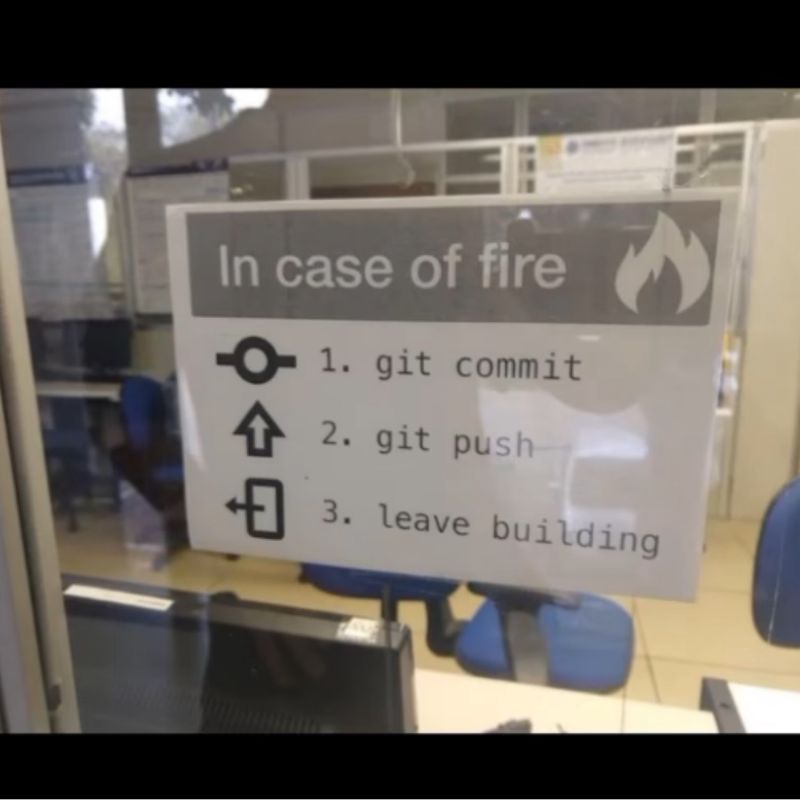
Me on Friday before leaving the building 😅 👍🏿 Subscribe to our newsletter - bit.ly/3x4j5dT #systemdesign #coding #interviewtips #memes
SQL Joins YOU MUST KNOW 1. Inner join: Retrieves only matching records from both tables. 2. Left join: Retrieves all records from the left table and matches from the right table. 3. Left join with NULL check: Retrieves records from the left table with no match in the right table. 4. Right join: Retrieves all records from the right table and matches from the left table. 5. Right join with NULL check: Retrieves records from the right table with no match in the left table. 6. Full outer join: Retrieves all records where there is a match in either table. 7. Full outer join with NULL check: Retrieves records with no match in either table. 👍🏿 Subscribe to our newsletter - bit.ly/3x4j5dT #systemdesign #coding #interviewtips
🚀 Understanding SQL Query Execution Order 🚀 In SQL, the order in which different clauses are processed can significantly impact the results of your queries. Here’s a breakdown of the typical execution order: 1. Source: This is where the data originates. It includes the tables involved in the query. 2. Merged: The `FROM` and `JOIN` clauses are processed here, merging data from different sources. 3. Filtered: The `WHERE` clause is applied to filter out unwanted rows, ensuring only relevant data moves forward. 4. Grouped: When we need aggregates, the `GROUP BY` clause groups the filtered data. 5. Having: The `HAVING` clause is used to filter groups based on aggregate conditions. 6. Selected: The `SELECT` statement determines which columns to return in the final result. 7. Ordered: The `ORDER BY` clause sorts the final result set according to specified columns. 8. Limited: Finally, the `LIMIT` and `OFFSET` clauses are applied to control the number of rows returned. Understanding this execution order helps in writing efficient queries and debugging issues. Keep this in mind next time you're working with SQL💡 👍🏿 Subscribe to our newsletter - bit.ly/3x4j5dT #systemdesign #coding #interviewtips
🚨 Amigoscode 2.0 Coming soon. Stay tuned.
Something BIG is coming to Amigoscode. Get ready to take your coding career to the next level! Stay tuned for an exciting announcement... 👀
This is how SQL get Executed by DB engines ✅ Coding Order (How SQL Queries are Written) 1. SELECT: Specifies the columns or expressions to retrieve from the database. 2. FROM: Indicates the table(s) to query and the source of the data. 3. WHERE: Filters the rows based on specified conditions before any grouping or aggregation occurs. 4. GROUP BY: Aggregates rows that share the same values in specified columns into summary rows. 5. HAVING: Filters groups based on a condition, similar to `WHERE` but applied after grouping. 6. ORDER BY: Sorts the result set based on specified columns or expressions. 7. LIMIT: Restricts the number of rows returned by the query. ✅ Execution Order (How SQL Queries are Processed) 1. FROM: The query starts by gathering data from the source tables. 2. WHERE: Filters the rows from the `FROM` step based on given conditions. 3. GROUP BY: Organizes filtered rows into groups defined by specified columns. 4. HAVING: Applies conditions to these groups to filter out those that don’t meet the criteria. 5. SELECT: Selects the specific columns or expressions to include in the result set. 6. ORDER BY: Sorts the selected rows according to specified columns. 7. LIMIT: Limits the number of rows returned, based on a specified number. 👍🏿 Subscribe to our newsletter - bit.ly/3x4j5dT #systemdesign #coding #interviewtips
Save this SQL Commands Cheatsheet Understanding the core categories of SQL commands is essential for mastering database management and data analysis. Whether you're defining the structure of your database, controlling transactions, querying data, or managing access, each SQL command plays a critical role. Let's break down these commands and functions to see how they empower you to interact with your database efficiently. 1. DDL (Data Definition Language): Commands to define and manage the structure of database objects. 2. TCL (Transaction Control Language): Commands to manage transactions in the database. 3. DQL (Data Query Language): Commands to query and retrieve data from the database. 4. DCL (Data Control Language): Commands to control access to data within the database. 5. DML (Data Manipulation Language): Commands to manipulate data stored in the database. Functions - Aggregate Functions: Functions that perform calculations on a set of values and return a single value (e.g., SUM, AVG, COUNT). - Window Functions: Functions that perform calculations across a set of table rows that are related to the current row, without collapsing the result into a single value (e.g., ROW_NUMBER, RANK, LEAD). 👍🏿 Subscribe to our newsletter - bit.ly/3x4j5dT #systemdesign #coding #interviewtips
Network Protocols You MUST KNOW In the world of networking, various protocols ensure that data is transferred seamlessly and securely. Here's a quick look at some of the most common network protocols: - HTTP (Hypertext Transfer Protocol): The foundation of data communication on the web, HTTP allows web pages to be requested and delivered across the internet. - HTTPS (Hypertext Transfer Protocol Secure): An extension of HTTP, HTTPS adds a layer of security by encrypting data, making it safer for sensitive transactions online. - FTP (File Transfer Protocol): A protocol used to transfer files between computers over a network, FTP is essential for managing and sharing large amounts of data. - TCP (Transmission Control Protocol): Ensures that data sent over the internet arrives intact and in the correct order, making it reliable for most applications. - IP (Internet Protocol): The addressing system for the internet, IP assigns unique addresses to devices, enabling them to be identified and communicate with each other. - UDP (User Datagram Protocol): A faster but less reliable protocol compared to TCP, UDP is ideal for applications where speed is critical, like gaming and video streaming. - SMTP (Simple Mail Transfer Protocol): The protocol responsible for sending emails across networks, ensuring messages reach their intended recipients. - SSH (Secure Shell): A protocol that provides secure access to remote computers, widely used for system administration and secure data transfers. - IMAP (Internet Message Access Protocol): Allows users to access and manage their email on a remote server, making it easier to sync messages across multiple devices. These protocols are the unsung heroes of the internet, ensuring that our online interactions are efficient, secure, and reliable. Understanding them is key to grasping how the internet functions at its core. 👍🏿 Subscribe to our newsletter - bit.ly/3x4j5dT #systemdesign #coding #interviewtips

Dan Vega @therealdanvega
26K Followers 7K Following 🍃 Spring Developer Advocate @Broadcom ☕️ Java Champion 📹 YouTuber https://t.co/1qzY9JT3ct 📗 Author https://t.co/FRQ7El2qJK 🎙️ Podcast https://t.co/z0vkODhi20

Josh Long @starbuxman
86K Followers 4K Following Spring Developer Advocate (@Java_Champions & @Kotlin @GoogleDevExpert) @VMwareTanzu 🍃🐲 📽️ https://t.co/A2wBUe0b0A
أحمدُ @sudorw
10K Followers 934 Following abstracting stuff lۗۗۗۗۗۗۗۗۗۗۗۗۗۗۗۗۗۗۗۗۗۗۗۗ أعنّي على نفسي ولا تُعن علي | إن الرجل إذا ذهب يمدح نفسه ذهب بهاؤه | ﴿ لا إله إلا أنت سبحانك إني كنت من الظالمين ﴾
Sibelius Seraphini @sseraphini
49K Followers 18K Following @woovibr CoFounder/CTO - 10 years building Startups https://t.co/7Rbm0XjdXq
Hugo Marques @hugaomarques
16K Followers 378 Following 🇧🇷🇺🇸. Software Engineer @Netflix. Previously @awscloud and @Twitter. I post about Coding, RPG and stuff. 🐶 and 🐍 parent. Opinions are my own.
Rohit Ghumare @ghumare64
88K Followers 2K Following Architect | Advisor | Investor | Founding DevRel engg @ iii | Ex-founder @ CreateMVP
Gen (KashiCodes) @KashiCodes
5 Followers 26 Following Cybersecurity Engineer | Programming Enthusiast
David Millan @davidmillan_5
5 Followers 320 Following
Patrick083 @W20Patrick
0 Followers 407 Following
MD. Rifat Khan @rifatkhan8557
1 Followers 456 Following ML & Deep Learning 🧠 | Python Dev 🐍 | Healthcare AI ⚕️ Data Science | Machine Learning | Python
Khaleel @Khaleel2029
20 Followers 520 Following
Hec @HectorTheCoder
356 Followers 622 Following Mobile Dev | TypeScript | React Native & Expo Learning AWS and Node JS/Express JS📚
Emmanuel Lawal @Lawal_Tosine
24 Followers 218 Following Proud Christain || Frontend Developer || JavaScript
Anurag Chouksey @stunomy
45 Followers 124 Following
mℷme @mame_b
28 Followers 496 Following
Zem @Zemidjan84
0 Followers 150 Following
TAMIL SELVAN @tamiilselvan929
140 Followers 478 Following


Horla @Horla43437784
138 Followers 1K Following software engineer enthusiastic || Quality Assurance || lover of history.
Selase @fada_selase
3 Followers 397 Following
H @kakimihan
1 Followers 211 Following
Gabriel Dutra @gabrield236
3 Followers 53 Following

reza abolhasanzadeh @RAbolhasanzadeh
5 Followers 427 Following
Nalla Abhishekam @NallaAbhishekam
0 Followers 45 Following
codesnippit @codesnippiwgdb
0 Followers 42 Following

Abijay PR @itz__me__abhi_
3 Followers 67 Following
EditOnly @EOnly63311
1 Followers 6 Following

. @cupz_10
0 Followers 42 Following
Alvr Jkr @l8v3l3r
5 Followers 798 Following
jcfabra @jcfabretti
2 Followers 23 Following
Alex Rjakhov @AlexRjakhov
1 Followers 95 Following
Alexandro Cocouvi k.A @XTech26551
8 Followers 148 Following I'm Alexandro COCOUVI, but you can simply call me Xandro 😄. I'm a Full-Stack Developer with a strong specialization in backend development.
WP Social Ninja @WPSocialNinja
3K Followers 881 Following The all-in-one social proof plugin for your WordPress website is made by @WPManageNinja running together with @Fluent_Forms, @FluentCRM, and @Ninja_Tables.
Raf @5gallonsofwater
3 Followers 23 Following Trying to balance life... It's tough out here Electrical Engineering undergrad who has taken an interest in back-end development
Mário Sakamoto @mskamot
5 Followers 22 Following
Robert Francis @robert_franciss
22 Followers 200 Following
Simon Kachepa @simonkachepa
103 Followers 178 Following
AA @concept49
754 Followers 1K Following
Eitan Rosa @EitanRosa
313 Followers 990 Following
Tony | Dev @ChibuzorAntho13
342 Followers 366 Following Java Developer | Spring Boot | FrontEnd | React Js| MySQL, PostgreSQL & RESTful APIs | Forex/Crypto Enthusiast | Building scalable apps


Krishna Chaitanya @Krishna262003
0 Followers 44 Following


Tuan Vinicius @TuaN_Medeiros
10 Followers 63 Following
Akpe Ugono @AkpeU49203
1 Followers 156 Following
Vince_V @Vince_V
18 Followers 303 Following
Josh Long @starbuxman
86K Followers 4K Following Spring Developer Advocate (@Java_Champions & @Kotlin @GoogleDevExpert) @VMwareTanzu 🍃🐲 📽️ https://t.co/A2wBUe0b0A
Darcy DeClute | Scrum... @scrumtuous
253K Followers 3K Following I wrote a book! 🥳Not a Gumroad eBook scam but a real book! 📕 https://t.co/ttVHSuusdr Buy the hardcover, now on Amazon!📚 https://t.co/VqLLzaE5Ds
Hussein Nasser @hnasr
90K Followers 641 Following Backend and Database Courses https://t.co/Qonec4YftL YouTube https://t.co/FfDg8cnVCI Author of Root Cause https://t.co/x5hQ6JCIcw Engineer @esri
Mariya Sha @MariyaSha888
5K Followers 368 Following Programmer 💻 Youtuber 🎥 Pythoneer 🐍 Deep Learner 🤖


Dr Milan Milanović @milan_milanovic
63K Followers 3K Following Helping 400K+ engineers and leaders grow through better software, teams & careers | Author of @SoftwareEngLaws | CTO | Microsoft MVP

James Q Quick @jamesqquick
51K Followers 4K Following Developer Educator, @cloudflare | Keynote Speaker, Creator, and Teacher. Motto - #LearnBuildTeach
Richard Oliver Bray @RichOBray
3K Followers 2K Following Developer experience @firecrawl (prev. @betterstackhq). Father of 2, married to 1. Working on https://t.co/q2vAh8TuNy
Speed⭐️ @ishowspeedsui
4.2M Followers 169 Following
Santiago @svpino
456K Followers 600 Following Computer scientist. I teach hard-core AI/ML Engineering at https://t.co/THCAAZcBMu. YouTube: https://t.co/pROi08OZYJ
Brij Pandey @brijpandeyji
5K Followers 475 Following Linkedin 700K + Followers AI Architect, Influencer, AI Head
LawrenceDCodes @LawrenceDCodes
15K Followers 3K Following Dev 🥑 • @CodeConnector_ Advisor • #AI Explorer • @msstate alum • @X Community Notes Contributor • Building @Lawbot226
Saauge Buppet @BayerRelief
11 Followers 96 Following
Mark Zuckerberg @finkd
2.4M Followers 758 Following
Adam Pietrasiak @pie6k
39K Followers 574 Following I design through code. Building https://t.co/6ceZFejl4s (@screenstudio). Support → please reach out at [email protected] instead of DMs.
non aesthetic things @PicturesFoIder
5.6M Followers 574 Following viral media from around the world 📧 submit clips & inquiries to [email protected]
Mohamed A @moabukar_1
619 Followers 181 Following Staff Platform Engineer | DevOps | MLOps | Software Engineering
Ivan Velichko @iximiuz
76K Followers 566 Following Software Engineer. Educator. Entrepreneur. Bootstrapping https://t.co/9b6sZ2UVQj - a learning-by-doing platform to master Linux, Containers, and Kubernetes 🚀
Spring Framework @springframework
93K Followers 36 Following
Develocity @gradle
38K Followers 235 Following Release announcements, tips, and events focused on boosting developer productivity with Develocity and Gradle.

Daily Copywriting @dailycopywriter
41K Followers 15 Following Daily AI Copywriting Inspiration To Help You Make More Money.
Arun Maini @Mrwhosetheboss
1.7M Followers 471 Following 22M YouTube subs - Let’s build the greatest tech community on the planet 🌏
Bill Gates @BillGates
65.1M Followers 570 Following Sharing things I'm learning through my foundation work and other interests.

Roberto Pesce @RobertoPesceJr
93 Followers 304 Following Product Marketing @JetBrains | Father | #ProductMarketing #Growth #Python | pt-br • en-us
AnnorCode @AnnorCode
883 Followers 588 Following Software Developer | QA Engineer | Tech | Lifestyle
FastAPI @FastAPI
46K Followers 1 Following FastAPI framework, high performance, easy to learn, fast to code, ready for production. 🚀 Web APIs with Python type hints. 🐍 By @tiangolo 🤓
Marques Brownlee @MKBHD
6.1M Followers 485 Following Web Video Producer | ⋈ | Pro Ultimate Frisbee Player | Host of @WVFRM @TheStudio
Paul Everitt | @paule... @paulweveritt
4K Followers 156 Following Developer Advocate at @JetBrains. Python/web oldster, Zope/Plone/Pyramid mafia. Girls lacrosse, running.
JetBrains @jetbrains
215K Followers 55 Following On a mission to make software development a more productive and enjoyable experience. Make it happen. With Code.
PyCharm, a JetBrains ... @pycharm
72K Followers 28 Following The only Python IDE you need. Built by @JetBrains, part of @JetBrainsDataTrends for United States
You might like